Our Impact
Measuring Success Through Lives Changed
Since its establishment in December 2024, the United Nations Water Science Organization has been building a foundation for long-term impact on global water security and public health. While our organization is in its early stages, we are positioned to leverage decades of research in graphene polarization technology and extensive networks of international partnerships to create meaningful change in how communities access and benefit from healthy water.
Our impact framework focuses on three primary dimensions:
These dimensions reflect our comprehensive approach to water challenges and our recognition that sustainable impact requires changes at multiple levels of society.
Building Strategic Partnerships for Scale
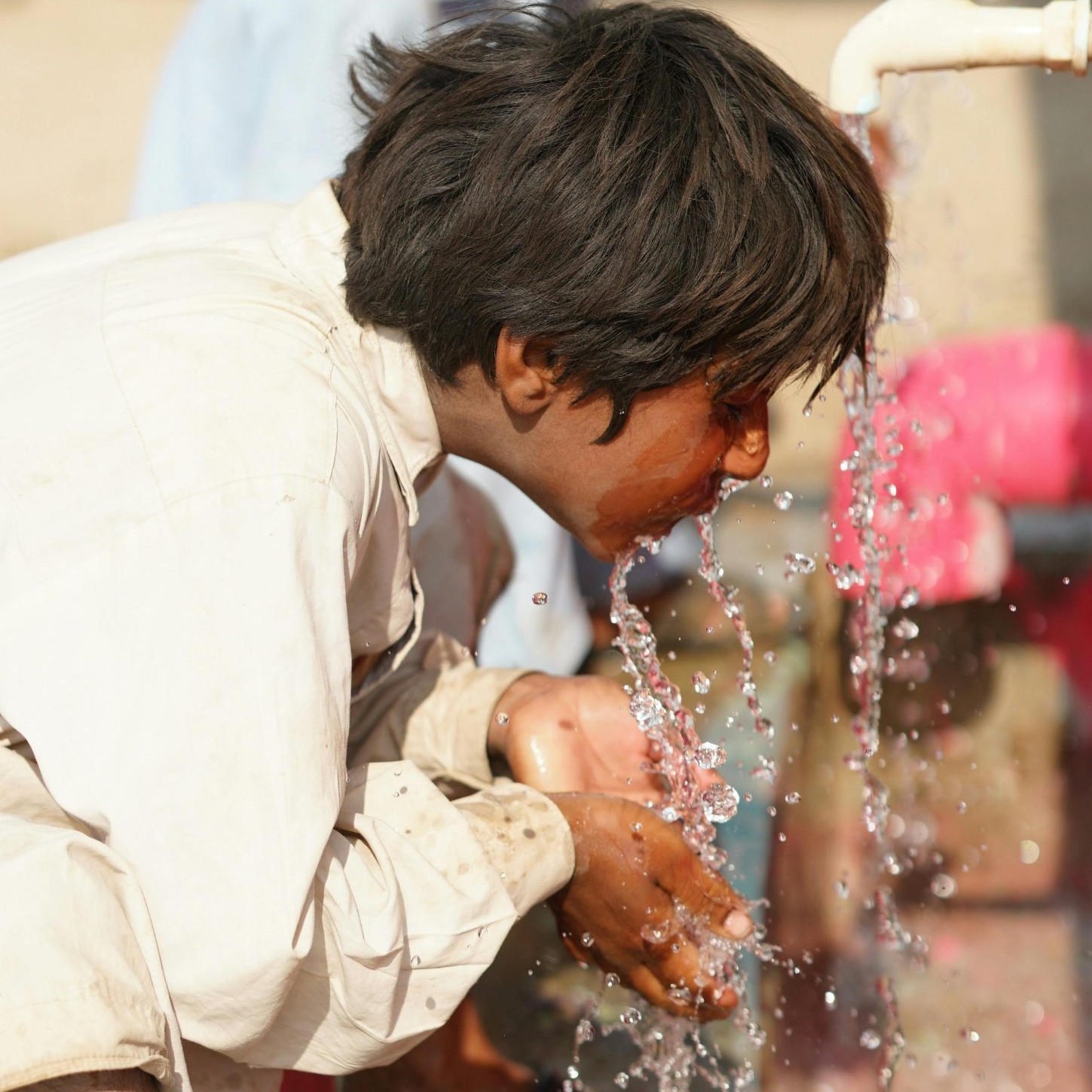
UNWSO recognizes that achieving universal access to safe and healthy water by 2030, as mandated by UN Sustainable Development Goal 6, requires coordinated action across multiple sectors and stakeholders. Our approach to impact emphasizes strategic partnerships that enable us to reach more people and communities more quickly than any single organization could achieve alone.


Geographic Reach and Community Impact
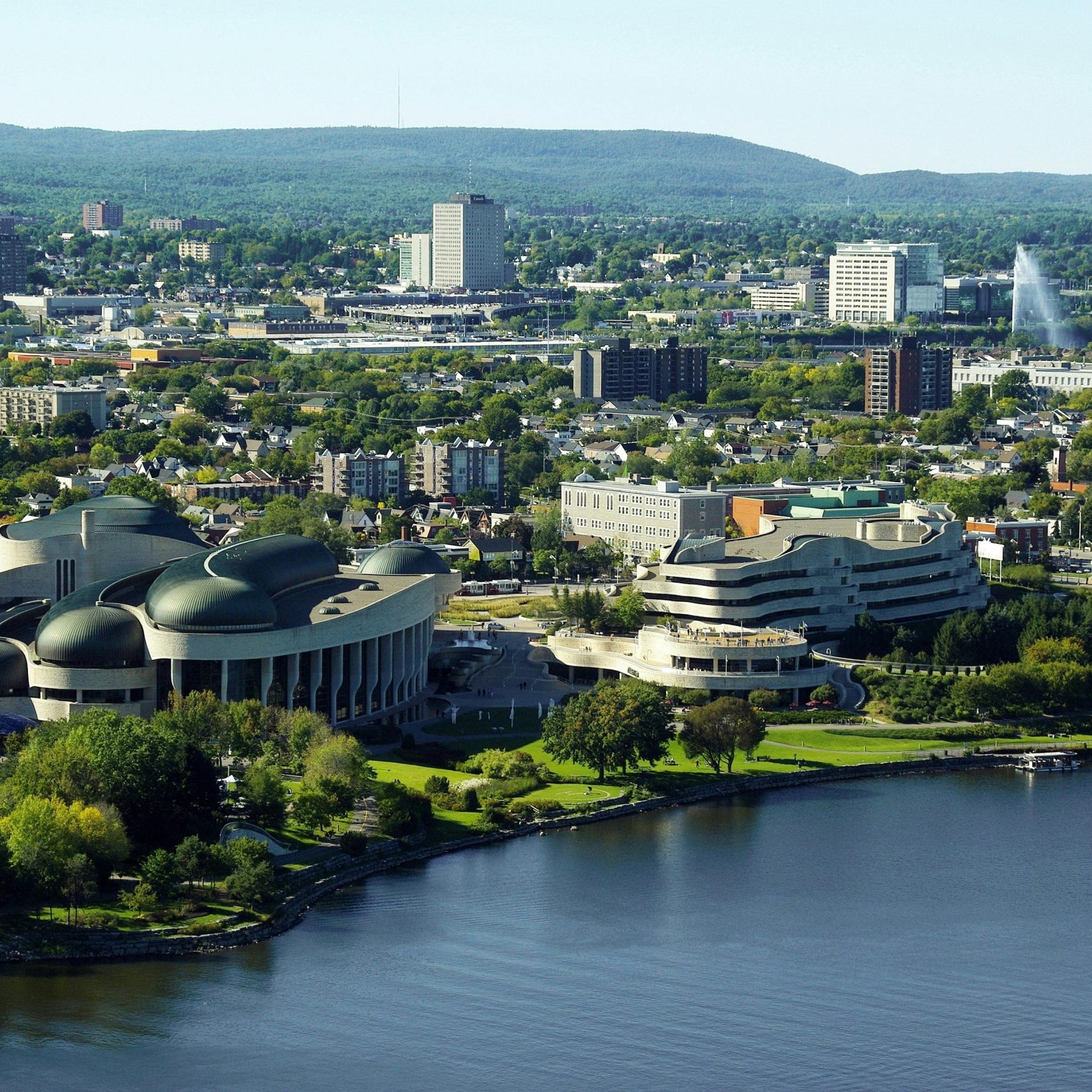
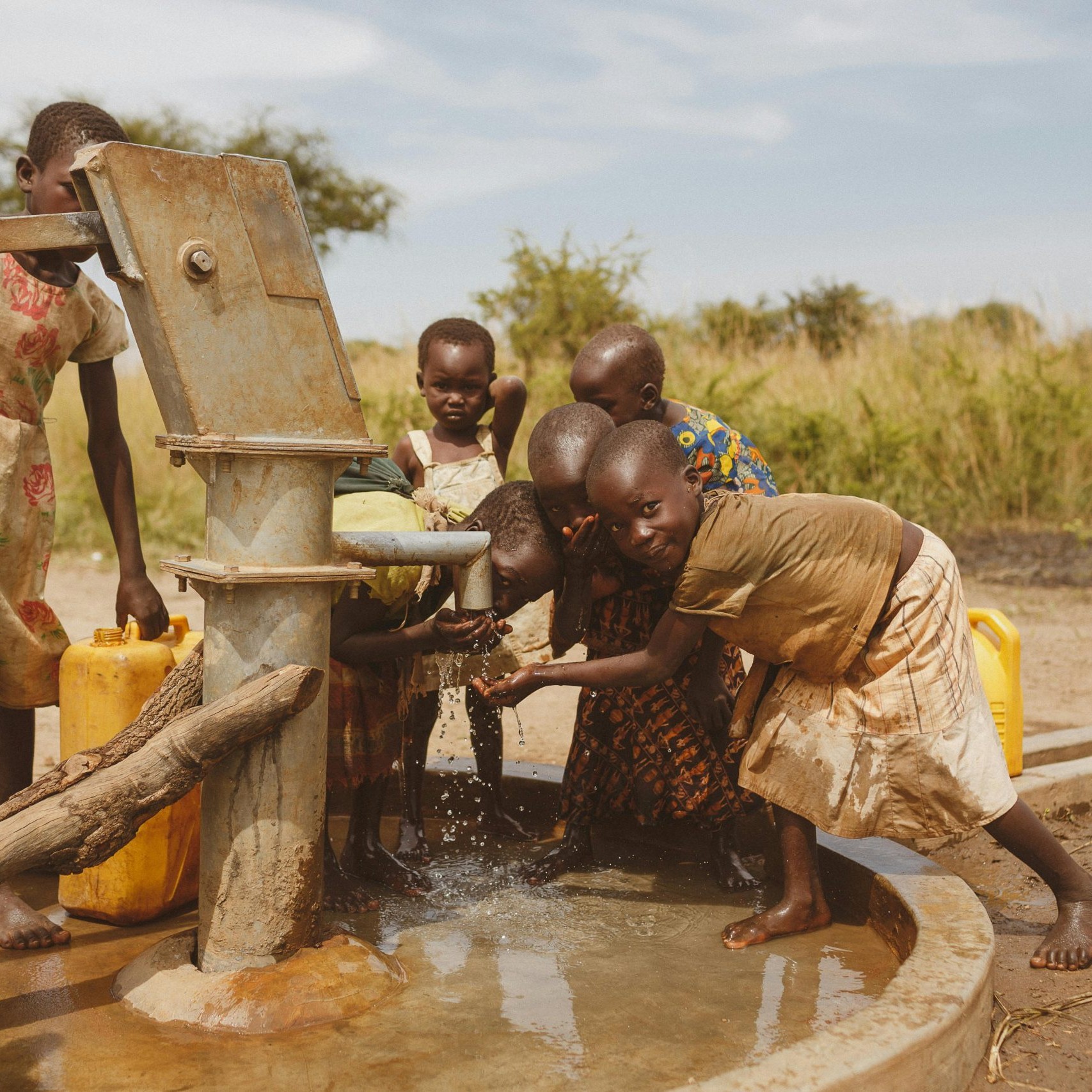
UNWSO's impact extends across multiple countries and regions, reflecting our commitment to international collaboration and our recognition that water challenges vary significantly across different geographic, climatic, and developmental contexts. Our approach emphasizes local participation and ownership, ensuring that solutions are appropriate for specific community needs and that benefits are sustainable over the long term.
Community-Centered Implementation
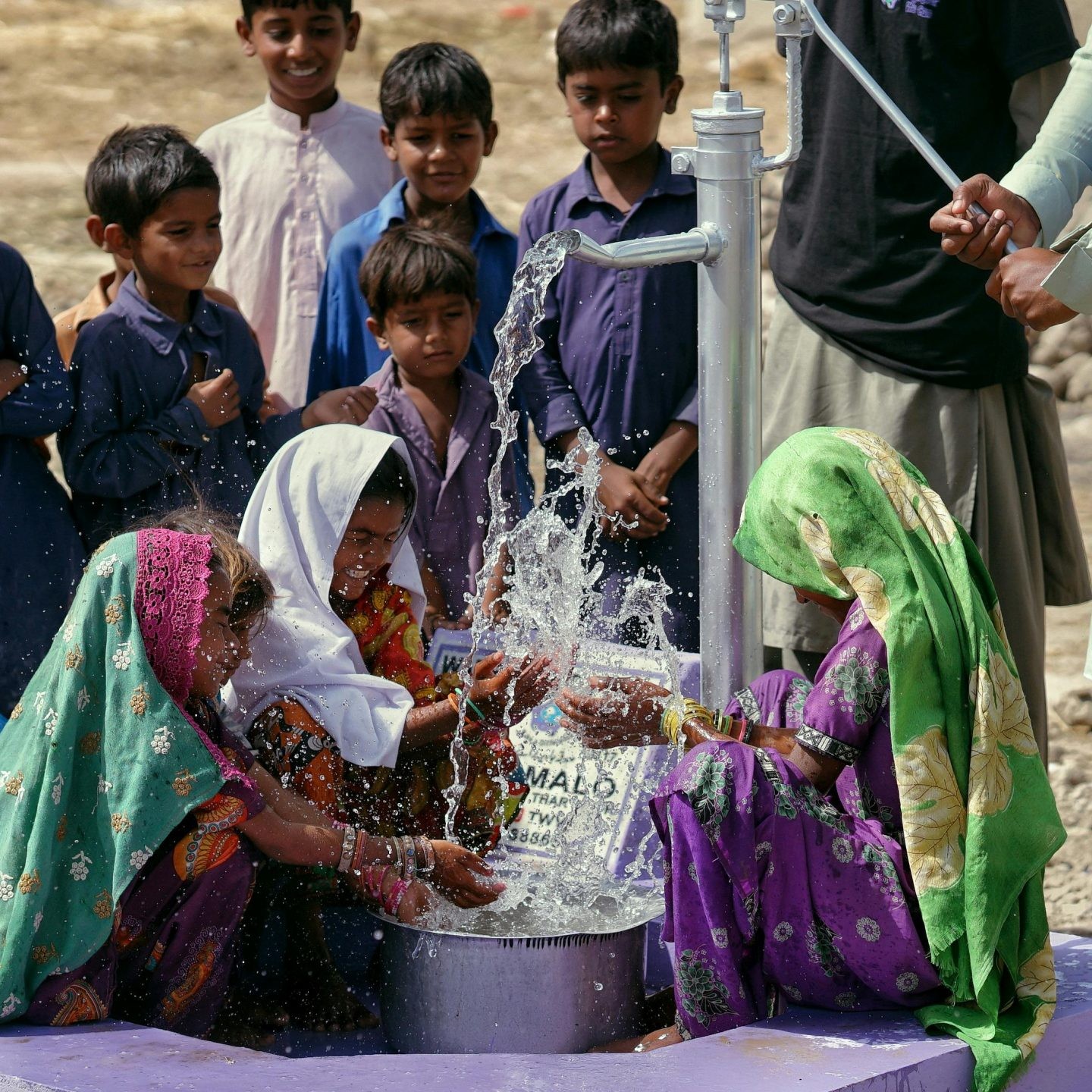
Consistent with UN Sustainable Development Goal 6's emphasis on local community participation, UNWSO designs implementation approaches that strengthen rather than replace local capacity. We work with community leaders, local organizations, and residents to understand specific water challenges and to design solutions that address local priorities while building on local knowledge and resources.
This participatory approach recognizes that sustainable improvements in water access and quality require more than technical interventions.
They require:
Industry Transformation and Economic Impact
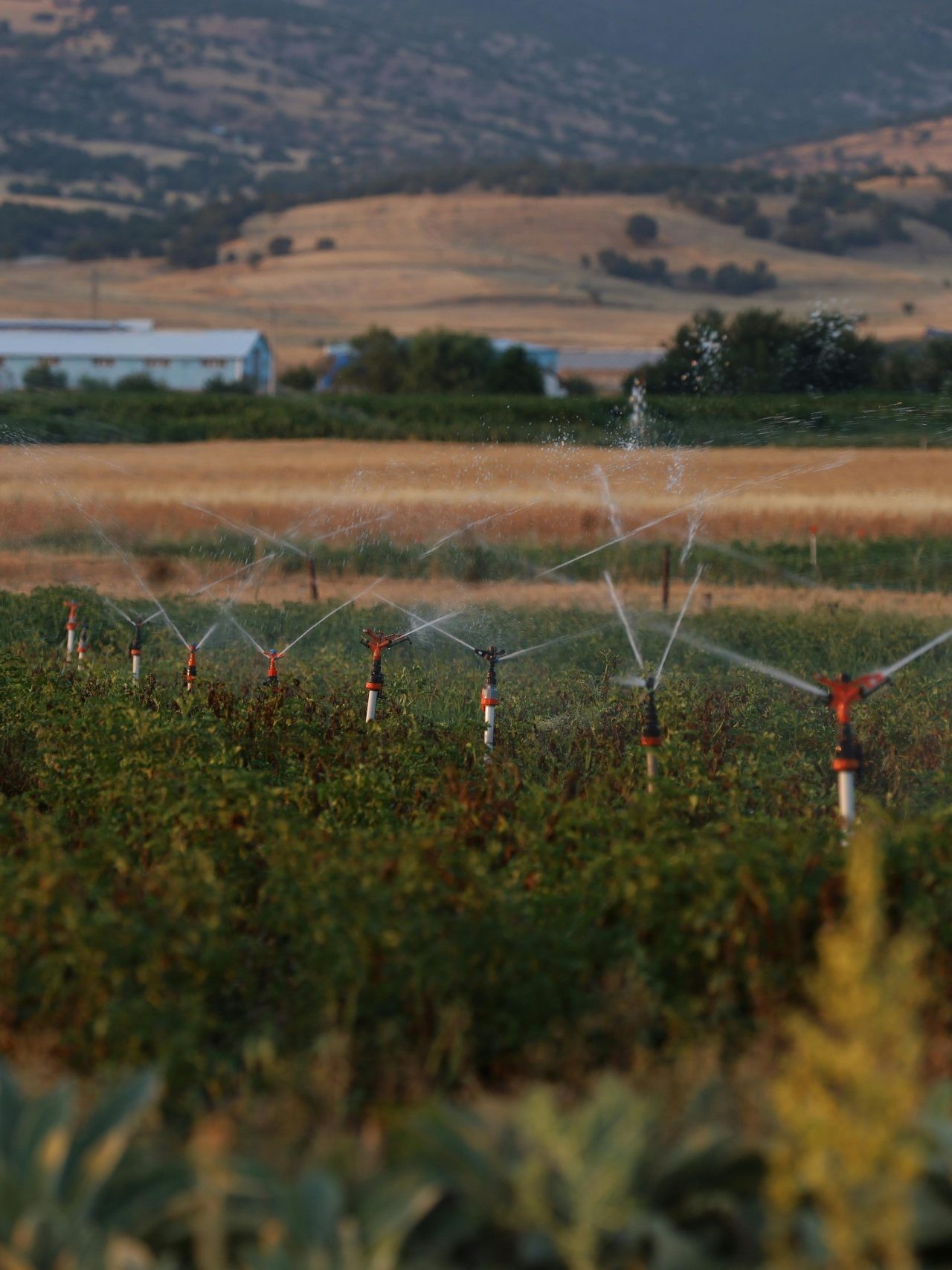
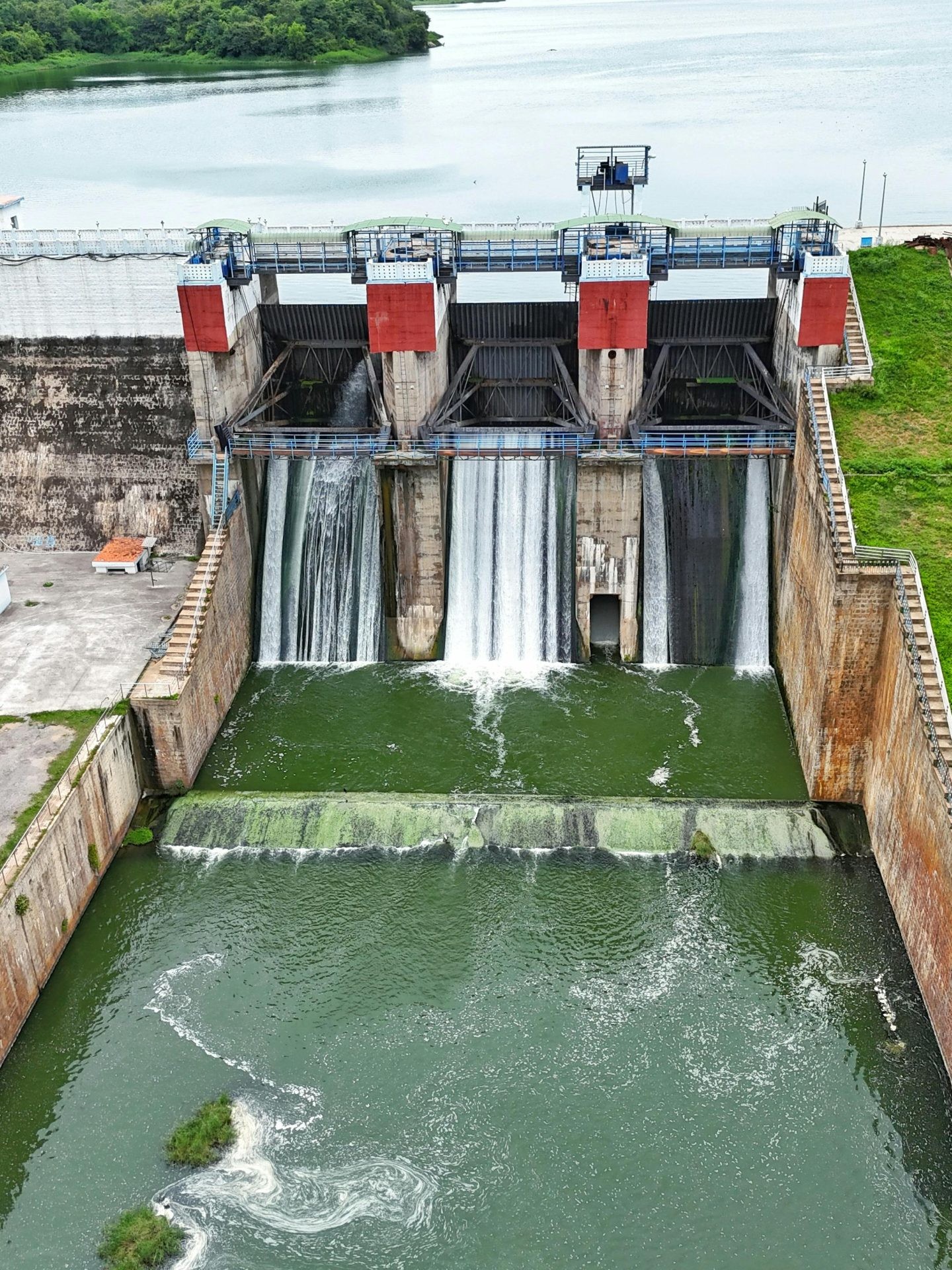
Beyond direct improvements in drinking water access, UNWSO's technology creates economic value by enhancing the efficiency and sustainability of water-intensive industries. These industrial applications demonstrate that improved water quality is not only a social good but also an economic opportunity.
Economic Benefits by Sector



Establishing Water Science Standards
An important dimension of UNWSO's impact involves establishing standards for traceability, supervision, and quality assurance within a unified water science system. These standards provide frameworks for ensuring that water science applications meet rigorous quality criteria and that outcomes can be measured consistently across different contexts.
Standards development draws on scientific evidence, practical experience, and international best practices. By establishing clear standards, UNWSO helps build confidence in water science applications while providing guidance for practitioners and policymakers. These standards also facilitate knowledge sharing and technology transfer, enabling lessons learned in one context to inform applications in others.
Looking Toward 2030
The United Nations has established 2030 as the target date for achieving universal and equitable access to safe and affordable drinking water. UNWSO’s work directly supports this ambitious goal by providing innovative technical solutions, building institutional capacity, and fostering the partnerships needed to accelerate progress.
While significant challenges remain, the combination of proven technology, growing international collaboration, and increasing recognition of water’s central role in human development creates real opportunities for transformative change.
Be Part of the Solution
Whether you represent a community seeking improved water access, an industry looking to enhance water management, or an institution committed to water science advancement, UNWSO welcomes your partnership in creating a healthier, more sustainable future.